
Feeling out of balance is more than uncomfortable — it’s costly. It affects how you think, how you show up, how you lead, and how you relate to the people around you.
For leaders, that cost extends beyond the individual. A leader who feels depleted, disconnected, or stretched too thin doesn’t just feel it personally — it shows up in the team. Decision-making suffers. Patience shortens. Perspective narrows. And leadership presence fades.
But here’s the important part: feeling out of balance isn’t a failure. It’s a signal.
And it’s far more common than most people realize.
Why “Out of Balance” Isn’t About Working Too Much
When people talk about feeling out of balance, the assumption is usually the same: I’m working too much. I need a break.
Sometimes that’s true. Often, it’s not.
In our work with leaders and individuals over the years, we’ve found that imbalance rarely comes from a single issue. It usually comes from one or two areas of life quietly falling behind — unnoticed at first, but powerful enough to affect everything else. It’s like having one tire slowly leaking air. You don’t notice it at first, but eventually, that one spot of deflation will affect every aspect of your vehicle.
You can be successful, productive, and busy — and still feel off. You can be doing many things well — and still feel depleted.
That’s because balance isn’t about activity. It’s about fulfillment.
A Simple Framework for Understanding Life Balance
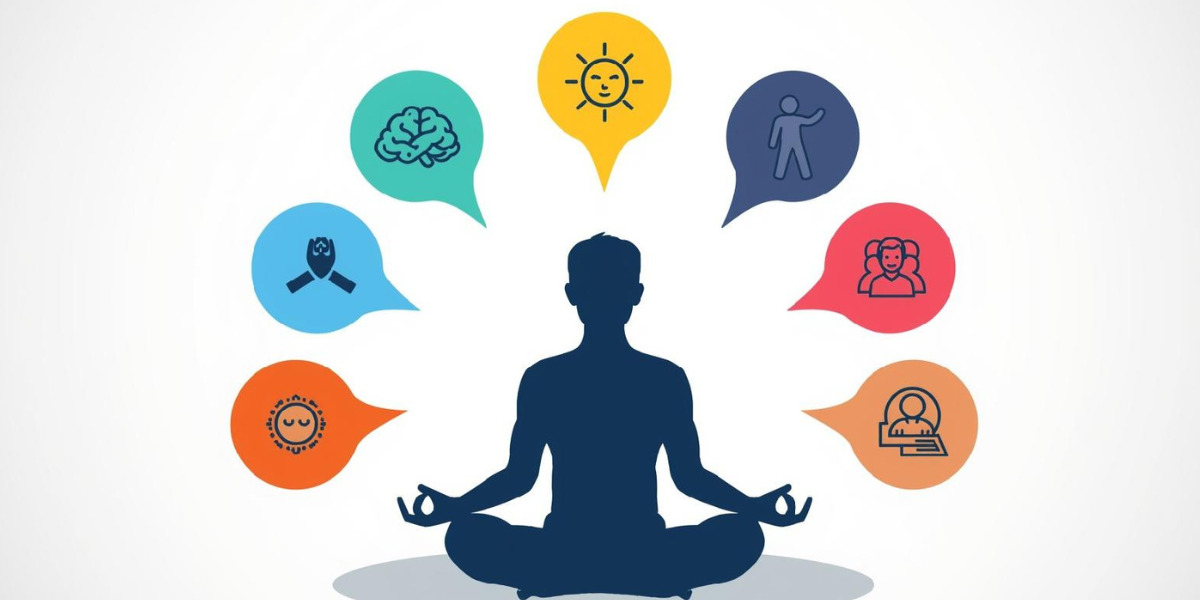
Years ago, we identified seven core areas of life that need a reasonable level of fulfillment for a person to feel balanced overall. When even one of these areas falls significantly below the others, the effect ripples outward.
Life starts to feel harder than it should.
This isn’t about perfection. It’s about awareness.
Below are the seven areas we use to help people — especially leaders — understand where balance may be slipping. Even one area of imbalance can topple them all.
The Seven Areas of Life Fulfillment
Mental Fulfillment
Mental fulfillment reflects how engaged and stimulated your mind feels. Are you learning, thinking, and challenged in healthy ways — or does your mind feel scattered, overloaded, bored, or underused? This isn’t about how busy you are. It’s about whether your mental energy feels purposeful, challenged, and supported.
Physical Fulfillment
Physical fulfillment has less to do with fitness goals and more to do with how your body feels day-to-day. Consider energy levels, physical comfort, and whether your routines support or strain your body. When physical fulfillment declines, everything else becomes more difficult.
Spiritual Fulfillment
Spiritual fulfillment reflects your sense of meaning, purpose, and connection – connection with something bigger, higher, “more.” This can involve faith, values, reflection, or simply feeling grounded in what matters most. There’s no single definition here — only the question of whether this area feels present and supportive in your life.
Emotional Fulfillment
Emotional fulfillment is about awareness and expression, not constant positivity. Are emotions acknowledged and processed — or ignored, bottled up, or overwhelming? Leaders often neglect this area, yet emotional imbalance directly affects communication, patience, and clarity.
Relational Fulfillment
Relational fulfillment reflects the quality of your relationships — not the quantity. Do you feel connected, supported, and understood by the people around you? When relationships feel strained or distant, even strong performance elsewhere can feel hollow.
Professional Fulfillment
Professional fulfillment isn’t about titles, income, or metrics. It’s about whether your work — or primary role — feels meaningful, aligned, and engaging. Are your skills being used? Do you feel a sense of contribution or growth?
Recreational Fulfillment
Recreational fulfillment reflects your ability to rest, enjoy life, and recharge. This includes hobbies, enjoyment, and true downtime — without guilt. When this area is neglected, burnout isn’t far behind, even if everything else looks “fine” on paper.
What a Life-Balance Assessment Reveals
When someone steps back and looks at fulfillment across these seven areas, something usually becomes clear very quickly.
It’s not the total that matters.
It’s the contrast.
Someone might feel balanced, with relatively modest fulfillment across all areas, because they’re aligned. Another person might score much higher overall, yet feel completely out of balance because one or two areas are significantly lower than the rest.
That contrast is where insight lives.
A life-balance assessment isn’t meant to judge, diagnose, or label. It’s a snapshot — a way to see what’s supporting you and what may be quietly draining energy.
It’s an invariable observation we’ve experienced. If a person feels out of balance, he or she feels so because 1, 2, sometimes 3 areas are rated lower than the others. It’s not all of them. This revelation typically comes with a sense of relief and energy. Now, all that’s needed is to focus on the area that is not feeling fulfilled and execute a choice to fulfill it, even in a very small way.
When Is a Life-Balance Assessment Most Useful?
A life-balance assessment isn’t something you take once and forget. It’s most helpful at moments when perspective matters most, such as:
- When you feel off, depleted, or unusually irritable and can’t quite explain why
- During major life or work changes — new roles, transitions, or increased responsibility
- At the start of a new year or season, not for resolutions, but for awareness
- When you’re performing well externally but don’t feel fulfilled internally
- Anytime you want to pause and check alignment before pushing harder
It’s not about finding problems. It’s about knowing where to focus — and where not to.
Awareness Comes First — Then the Good News
Seeing where imbalance exists doesn’t mean everything needs to change immediately. In fact, trying to “fix everything” at once usually backfires.
Balance isn’t restored through dramatic overhauls.
It returns through small, intentional corrections.
Awareness simply tells you where to start.
And the good news? When a person feels out of balance, it really means they are out of control. Not completely out of control. Just in a couple areas of their life. Balance, then, comes from getting back in control. To do that, you simply make a choice to do something, anything, to help the lower-rated areas feel more fulfilled. The minute you exercise your choice, you are back in control, and that means you will feel more in balance. It’s not magic – just common sense.
A Note for Leaders
For leaders, life balance isn’t just personal — it’s positional.
When a leader is out of balance, it affects presence, perspective, and decision-making. That imbalance inevitably rolls downhill to the team. This is why we often say that leadership effectiveness begins with what we call the power in the chair—the internal state from which leadership occurs.
Our free life-balance assessment also allows leaders to explore these seven areas in a structured, visual way. It helps leaders capture reflections, see contrasts clearly, and revisit results over time—not as a score, but as a leadership awareness tool.
Want to Explore This Further?
If you’re curious where your own life feels aligned — and where it may be quietly out of balance — you can explore this as part of our free Life-Balance Assessment.
And if you’d like support identifying small, intentional changes — personally through coaching or professionally through leadership training — we’re here to help.

0 Comments